
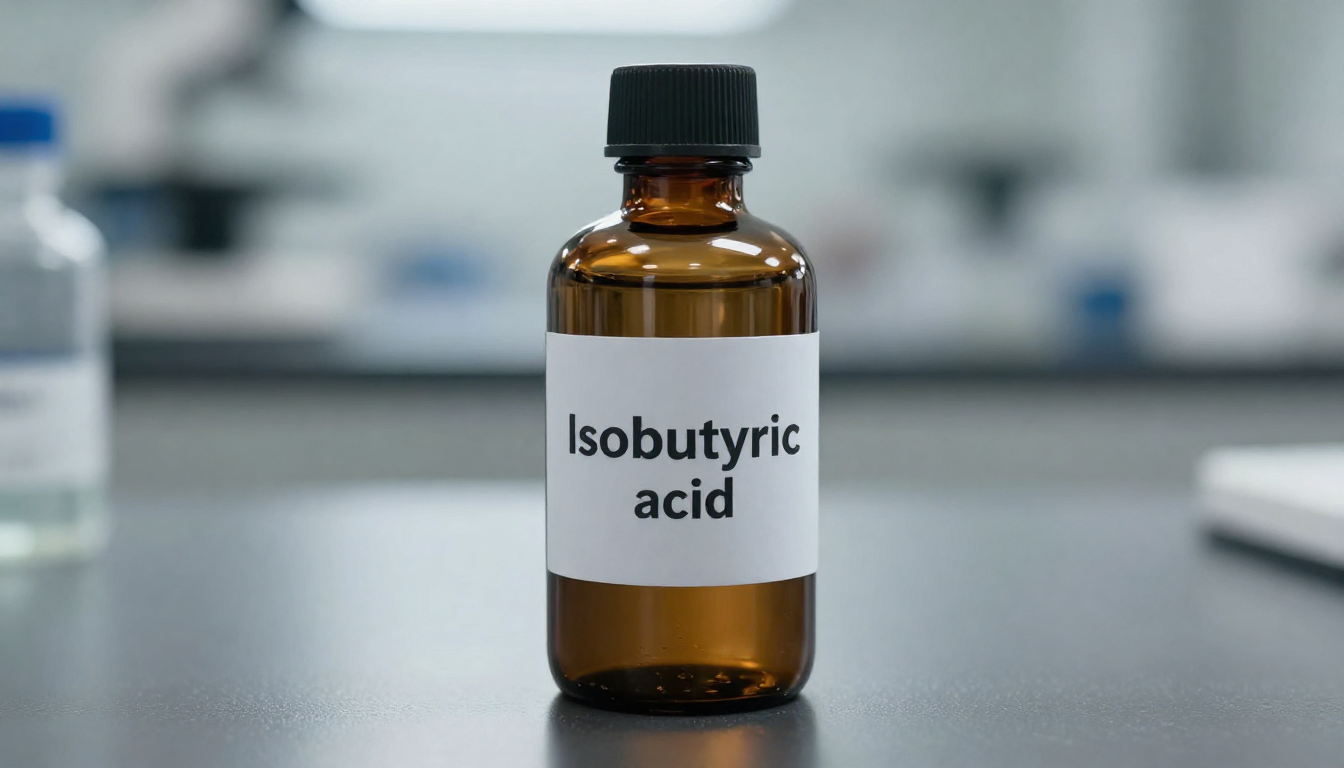
The Isobutyric Acid Price Chart is an important tool for manufacturers, suppliers, traders, and buyers who want to understand how prices change over time. Isobutyric acid is a chemical compound used in several industries, including pharmaceuticals, agriculture, food additives, fragrances, and specialty chemicals. Because it has many industrial applications, its market value can change based on supply, demand, production costs, and global economic conditions.
When people analyze an Isobutyric Acid Price Chart, they can identify pricing patterns, market movements, and future purchasing opportunities. Businesses often use these charts to make better buying decisions, reduce procurement risks, and plan production schedules more effectively.
What Is Isobutyric Acid?
Isobutyric acid is an organic acid with a strong odor and is commonly used as an intermediate in chemical manufacturing. It serves as a building block for producing esters, pharmaceuticals, flavoring agents, and various industrial chemicals. Since it plays a role in different production processes, any change in industrial activity can directly affect market demand and pricing.
The growing use of specialty chemicals around the world has increased the importance of tracking isobutyric acid prices. As industries expand and production requirements change, the market continuously responds to new conditions.
👉👉👉Please Submit Your Query For Isobutyric Acid Price Trend, Market Analysis and Forecast: https://www.price-watch.ai/book-a-demo/
Why the Isobutyric Acid Price Chart Matters
A price chart is much more than a simple record of numbers. It provides a visual representation of market behavior over a specific period. Companies use the Isobutyric Acid Price Chart to understand whether prices are rising, falling, or remaining stable.
For example, if a manufacturer notices a consistent upward trend in prices, it may choose to purchase larger quantities before costs increase further. On the other hand, if prices appear to be declining, buyers may delay purchases to benefit from lower market rates.
Price charts also help businesses compare current prices with historical trends, making it easier to understand whether the market is experiencing normal fluctuations or unusual changes.
Factors That Influence Isobutyric Acid Prices
Several factors can affect the pricing of isobutyric acid. Understanding these influences helps explain the movements shown on an Isobutyric Acid Price Chart.
Raw Material Costs
The production of isobutyric acid depends on raw materials and feedstocks. When the cost of these materials increases, manufacturers often face higher production expenses. These additional costs can eventually be reflected in market prices.
Similarly, when raw material prices decrease, manufacturers may be able to offer their products at more competitive rates, leading to lower market prices.
Supply and Demand Balance
Supply and demand remain among the most important drivers of chemical pricing. When demand grows faster than supply, prices usually increase. Conversely, when supply exceeds demand, prices may decline.
Industries such as pharmaceuticals, agriculture, and specialty chemicals can significantly influence overall demand for isobutyric acid. Increased production activity in these sectors often supports stronger pricing.
Energy and Utility Costs
Chemical manufacturing requires substantial energy resources. Electricity, natural gas, fuel, and other utilities contribute to production costs. Rising energy prices can increase manufacturing expenses and impact the overall market price of isobutyric acid.
Changes in energy markets are often reflected in chemical pricing trends, making utility costs an important factor to monitor.
Transportation and Logistics
Moving chemicals from manufacturing facilities to customers involves transportation expenses. Freight rates, fuel costs, shipping availability, and supply chain efficiency all affect final product pricing.
Global logistics disruptions can create delivery delays and increase transportation costs, which may contribute to higher market prices.
Economic Conditions
The overall economic environment can influence chemical markets. During periods of economic growth, industrial production often increases, supporting stronger demand for chemical products. During slower economic periods, demand may weaken, leading to softer pricing conditions.
Economic uncertainty can also affect purchasing behavior, inventory management, and investment decisions throughout the supply chain.
Seasonal Influence on Pricing
Like many industrial chemicals, isobutyric acid prices may experience seasonal variations. Certain industries have periods of higher production activity during specific times of the year, which can create temporary increases in demand.
For example, agricultural chemical production may rise before planting seasons, while manufacturing activity may increase during periods of strong industrial output. These seasonal patterns can sometimes be observed on the Isobutyric Acid Price Chart.
Although seasonal changes may not always be dramatic, they can still influence short-term market behavior.
Global Market Impact
The isobutyric acid market is influenced by global trade and international manufacturing activity. Production facilities located in major chemical-producing regions supply customers across multiple countries.
Changes in international trade policies, shipping conditions, exchange rates, and industrial growth can all affect global pricing trends. Because of this interconnected market structure, events occurring in one region can sometimes influence prices worldwide.
Companies that monitor international developments often gain a better understanding of future market movements and potential pricing risks.
Understanding the Isobutyric Acid Price Index
The Isobutyric Acid Price Index is another valuable market indicator that helps track pricing performance over time. While a price chart displays actual market prices, the price index focuses on relative changes and trends.
Businesses use the Isobutyric Acid Price Index to evaluate market direction, compare current prices with previous periods, and assess long-term pricing performance. It provides a simplified way to understand whether market values are generally increasing or decreasing.
The combination of a price chart and a price index offers a more complete picture of market conditions and helps companies make informed purchasing decisions.
Benefits of Monitoring Price Trends
Tracking price trends can provide several advantages for businesses operating in the chemical industry.
Better Procurement Planning
When companies understand pricing trends, they can schedule purchases more strategically. This helps reduce procurement costs and improve budgeting accuracy.
Inventory Management
Price trend analysis helps businesses decide when to build inventory and when to maintain lower stock levels. This can improve cash flow management and reduce storage-related expenses.
Risk Reduction
Market volatility can create uncertainty. By monitoring pricing trends, companies can identify potential risks earlier and prepare appropriate purchasing strategies.
Improved Business Decisions
Reliable market information supports stronger decision-making. Businesses can evaluate supplier offers more effectively and negotiate contracts with greater confidence.
Long-Term Market Outlook
The long-term outlook for isobutyric acid remains closely linked to industrial growth, chemical manufacturing demand, and technological developments. As industries continue to expand and require specialty chemical products, demand for isobutyric acid may remain steady.
Manufacturers are also focusing on improving production efficiency and sustainability. These efforts may influence future pricing structures and market competitiveness.
At the same time, global economic conditions, environmental regulations, and supply chain developments will continue to play important roles in shaping market trends.
How Businesses Use Price Charts
Companies across different industries rely on the Isobutyric Acid Price Index for planning and forecasting purposes. Procurement teams analyze historical trends to identify favorable buying opportunities. Financial analysts use pricing data to evaluate cost projections. Manufacturers review market movements to optimize production schedules and manage expenses.
Even small changes in pricing can have a significant impact on large-scale operations. As a result, continuous monitoring of market trends has become an essential part of modern business strategy.
Conclusion
The Isobutyric Acid Price Chart serves as an important resource for understanding market behavior, pricing trends, and industry developments. It helps businesses track historical price movements, evaluate current market conditions, and make more informed purchasing decisions.
Factors such as raw material costs, supply and demand dynamics, energy prices, transportation expenses, and global economic conditions all contribute to market fluctuations. In addition, the Isobutyric Acid Price Index provides valuable insight into broader pricing trends and long-term market direction.
By regularly monitoring both price charts and price indexes, businesses can improve procurement planning, manage risks more effectively, and respond confidently to changing market conditions. As industrial demand continues to evolve, staying informed about pricing trends will remain an important part of successful business operations.
About Price Watch™ AI
Price-Watch AI is an India-based, independent raw material price reporting agency that provides real-time price forecasts and data-driven insights into global raw material markets. Price-Watch AI specializes in tracking raw material prices, analyzing market trends, and delivering timely updates on plant shutdowns, supply disruptions, capacity expansions, and demand-supply dynamics. The Price-Watch AI platform empowers manufacturers, traders, and procurement professionals to make faster, smarter decisions. Leveraging AI-powered forecasting and over a decade of historical data, Price-Watch AI transforms market volatility into actionable opportunity.
Futura Tech Park, C Block, 8th floor 334, Old Mahabalipuram Road, Sholinganallur, Chennai, Tamil Nadu, Pincode - 600119.
𝐋𝐢𝐧𝐤𝐞𝐝𝐈𝐧: https://www.linkedin.com/company/price-watch-ai/
𝐅𝐚𝐜𝐞𝐛𝐨𝐨𝐤: https://www.facebook.com/people//61568490385598/
𝐓𝐰𝐢𝐭𝐭𝐞𝐫: https://x.com/pricewatchai
𝐖𝐞𝐛𝐬𝐢𝐭𝐞: https://www.price-watch.ai/