
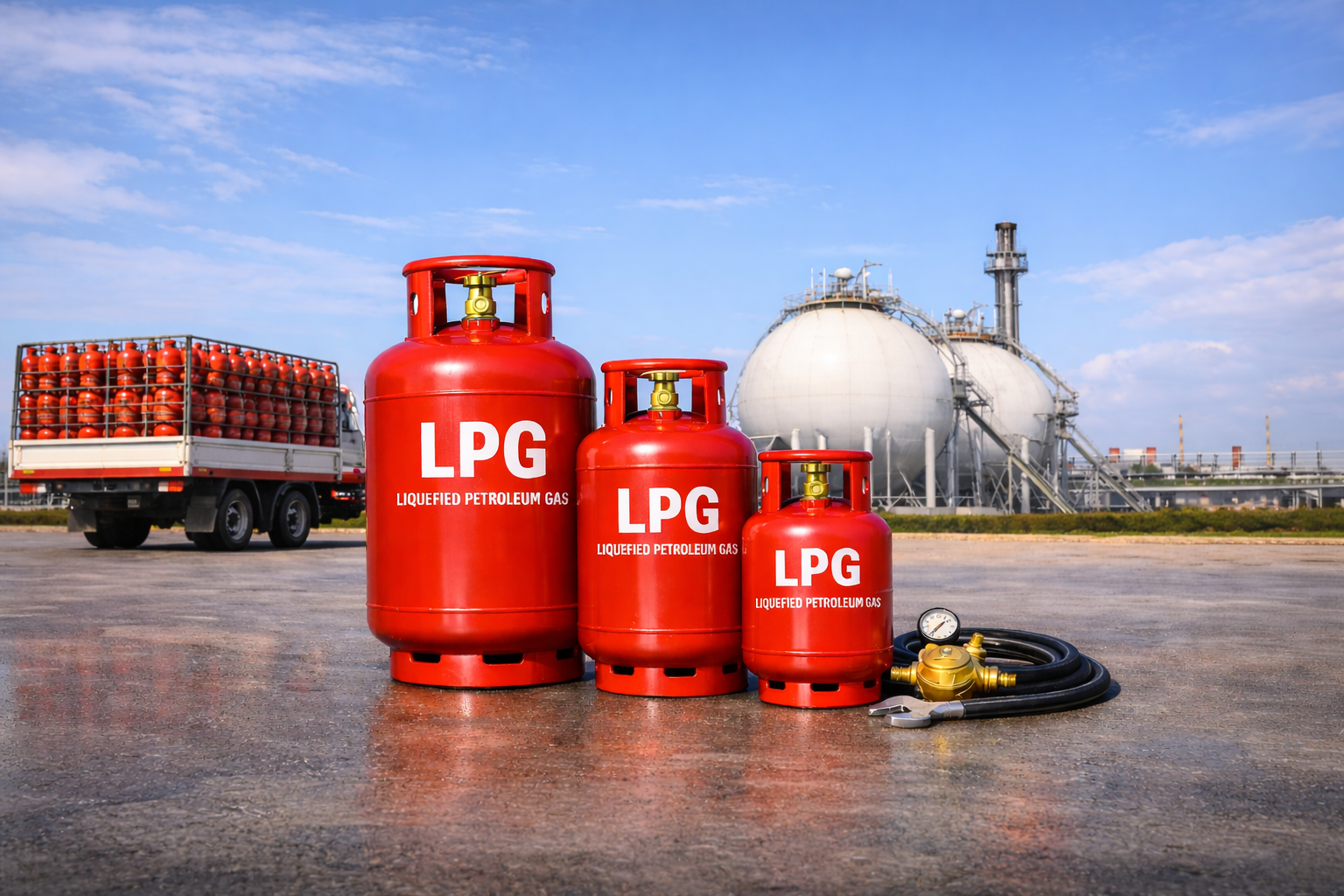
The LPG Price Chart is an important tool for understanding how Liquefied Petroleum Gas prices change over time. Whether you are a household consumer, industrial buyer, trader, or business owner, keeping an eye on the LPG Price Chart can help you understand market conditions and make better purchasing decisions. LPG is widely used for cooking, heating, industrial processes, and transportation in many parts of the world. Because of its broad usage, any change in LPG prices can have a direct impact on consumers and industries alike.
Over the years, LPG prices have experienced many ups and downs due to various market factors. The LPG market is influenced by crude oil prices, supply and demand conditions, transportation costs, seasonal consumption, geopolitical events, and economic activities. As a result, the LPG Price Chart often reflects the overall energy market situation.
Understanding the LPG Market
LPG, or Liquefied Petroleum Gas, is mainly composed of propane and butane. It is produced during crude oil refining and natural gas processing. Since LPG is closely linked to the energy sector, its prices are often affected by changes in global energy markets.
The LPG Price Chart helps businesses and consumers track historical price movements and identify market patterns. By reviewing price trends over weeks, months, or years, users can gain a better understanding of market behavior and potential future movements.
👉 👉👉 Please Submit Your Query For LPG Price Trend, Market Analysis and Forecast: https://www.price-watch.ai/book-a-demo/
Why the LPG Price Chart Matters
Price charts provide a visual representation of market trends. Instead of looking at individual price points, users can see how prices have changed over time. This makes it easier to identify periods of growth, decline, stability, and volatility.
For businesses that depend on LPG as a fuel source, monitoring the LPG Price Chart can support budgeting and procurement planning. For households, understanding price movements can provide insight into changes in fuel expenses.
In addition, market analysts often use the LPG Price Chart to study supply-demand balances and evaluate broader energy market trends.
Factors Affecting LPG Prices
Several important factors influence LPG prices around the world.
Crude Oil Prices
One of the biggest influences on LPG pricing is the crude oil market. Since LPG production is connected to oil refining, changes in crude oil prices often affect LPG values. When crude oil prices rise, LPG prices frequently follow a similar direction. Likewise, falling oil prices may lead to lower LPG prices.
Supply and Demand Balance
Supply and demand play a significant role in determining LPG prices. When demand increases while supply remains limited, prices tend to rise. Conversely, when supply exceeds demand, prices may decline.
Growing industrial activity, residential consumption, and transportation needs can all increase LPG demand.
Seasonal Consumption
Seasonal changes often affect LPG demand. During colder months, demand for heating fuels generally rises, which can support higher LPG prices. In warmer seasons, demand patterns may change, influencing market pricing.
The LPG Price Chart often reflects these seasonal trends through recurring price fluctuations during specific times of the year.
Transportation and Logistics
LPG is transported through ships, trucks, railways, and pipelines. Transportation expenses contribute to the overall cost structure. Any increase in freight rates, fuel costs, or logistical challenges can impact LPG prices.
Supply chain disruptions can also create temporary price spikes, which are visible on the LPG Price Chart.
Geopolitical Events
Political tensions, trade restrictions, sanctions, and regional conflicts can influence energy markets. Since LPG is traded globally, geopolitical developments may affect production, exports, imports, and transportation routes.
These events can create uncertainty in the market, leading to noticeable movements in LPG prices.
Reading an LPG Price Chart
An LPG Price Chart typically displays prices across a specific time period. The horizontal axis usually represents time, while the vertical axis represents price levels.
By studying the chart, users can identify:
- Upward trends indicating rising prices
- Downward trends showing declining prices
- Stable periods with limited fluctuations
- Sudden spikes caused by market disruptions
- Seasonal price patterns
Many businesses regularly review price charts to determine favorable purchasing opportunities and manage procurement costs more effectively.
The Role of the LPG Price Index
The LPG Price Index is another valuable market indicator. While a price chart shows actual price movements over time, the LPG Price Index provides a benchmark that measures overall market trends.
The LPG Price Index helps market participants compare current price levels against historical averages. It can serve as a useful reference for tracking long-term market performance and evaluating changes in market conditions.
Many industry professionals use both the LPG Price Chart and LPG Price Index together to gain a more complete understanding of the market.
Historical Market Trends
Historically, LPG prices have shown periods of both stability and volatility. During times of strong economic growth, increased industrial production and energy consumption often support higher prices.
On the other hand, economic slowdowns can reduce energy demand, placing downward pressure on LPG prices.
Global events such as supply disruptions, changes in energy policies, and fluctuations in crude oil prices have also contributed to significant price movements over the years.
The LPG Price Chart often highlights these historical events through noticeable shifts in market direction.
Industrial Importance of LPG Pricing
Many industries rely heavily on LPG as an energy source. Manufacturing facilities, chemical plants, agricultural operations, and commercial establishments often use LPG for heating and production processes.
For these industries, understanding LPG pricing trends is essential for managing operational expenses. Unexpected price increases can affect production costs and profit margins.
By monitoring the LPG Price Chart, companies can better prepare for market fluctuations and develop more effective purchasing strategies.
Global Trade and LPG Prices
LPG is traded internationally, making global market conditions highly important. Major producing and exporting countries influence worldwide supply availability.
Changes in export volumes, shipping capacity, and international demand can impact global LPG pricing. Economic growth in large importing regions can increase demand and support higher prices.
As a result, global trade developments are often reflected in both the LPG Price Chart and LPG Price Index.
Future Market Outlook
The future of the LPG market will likely continue to be influenced by energy demand, economic growth, environmental policies, and technological developments.
As populations grow and industrial activities expand, LPG demand may remain strong in many regions. At the same time, evolving energy strategies and sustainability initiatives could shape future consumption patterns.
Market participants will continue to rely on the LPG Price Chart to monitor these developments and understand changing market dynamics.
Conclusion
The LPG Price Index serves as a valuable resource for understanding how LPG prices move over time. It provides insights into market trends, supply-demand conditions, seasonal influences, transportation costs, and geopolitical events. Whether for household use, industrial operations, or market analysis, the LPG Price Chart helps users make informed decisions.
At the same time, the LPG Price Chart offers an additional perspective by measuring overall market performance and tracking long-term price trends. Together, these tools provide a clearer picture of the LPG market and help businesses and consumers better navigate changing price conditions. As global energy markets continue to evolve, monitoring LPG pricing trends will remain an important part of understanding the broader energy landscape.
About Price Watch™ AI
Price-Watch AI is an India-based, independent raw material price reporting agency that provides real-time price forecasts and data-driven insights into global raw material markets. Price-Watch AI specializes in tracking raw material prices, analyzing market trends, and delivering timely updates on plant shutdowns, supply disruptions, capacity expansions, and demand-supply dynamics. The Price-Watch AI platform empowers manufacturers, traders, and procurement professionals to make faster, smarter decisions. Leveraging AI-powered forecasting and over a decade of historical data, Price-Watch AI transforms market volatility into actionable opportunity.
Futura Tech Park, C Block, 8th floor 334, Old Mahabalipuram Road, Sholinganallur, Chennai, Tamil Nadu, Pincode - 600119.
𝐋𝐢𝐧𝐤𝐞𝐝𝐈𝐧: https://www.linkedin.com/company/price-watch-ai/
𝐅𝐚𝐜𝐞𝐛𝐨𝐨𝐤: https://www.facebook.com/people//61568490385598/
𝐓𝐰𝐢𝐭𝐭𝐞𝐫: https://x.com/pricewatchai
𝐖𝐞𝐛𝐬𝐢𝐭𝐞: https://www.price-watch.ai/