
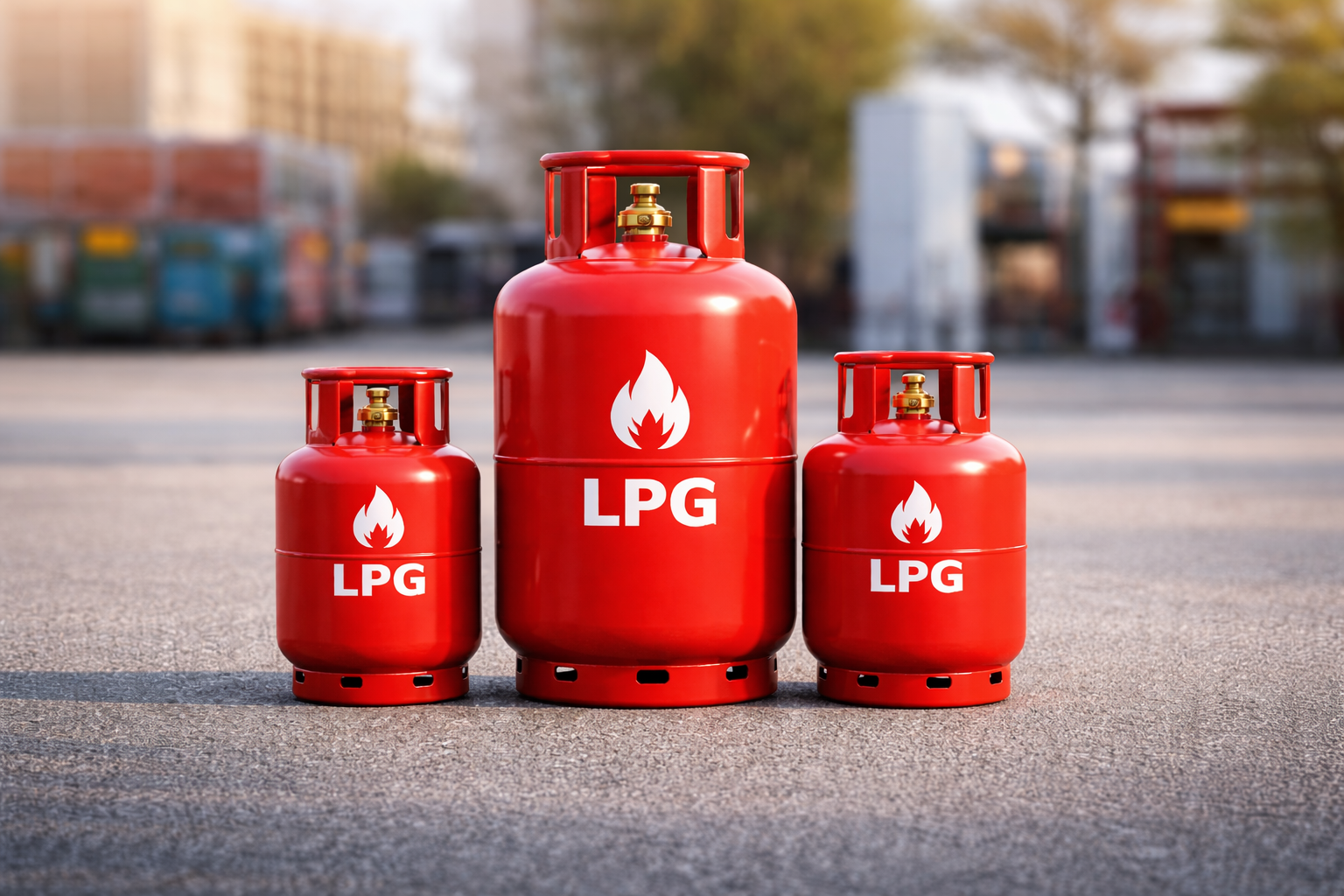
In Q3 2025, the global energy market saw many changes, and one of the most noticeable shifts was in the Liquified Petroleum Gas Price Trend. LPG is an important fuel used in daily life for cooking, heating, vehicles, and various industries. During this period, prices across most regions moved downward, showing a clear bearish market trend.
This decline did not happen because of one single reason. Instead, it was the result of multiple factors working together, such as strong supply levels, cautious buying behavior, sufficient inventories, and competition among exporters. Overall, the market remained well supplied, while demand growth stayed moderate.
Global Market Situation
Across the world, LPG production remained steady in Q3 2025. Many major producing countries continued operating at normal levels, which kept supply strong. At the same time, several importing countries already had enough stock in storage. Because of this, buyers were not in a hurry to purchase new cargoes.
When supply is high and demand is slow, prices naturally move downward. This is exactly what happened during the quarter. The Liquified Petroleum Gas Prices reflected this imbalance, as sellers reduced prices to attract buyers and maintain their market share.
Please Submit Your Query For Liquified Petroleum Gas Price Trend, Market Analysis and Forecast: https://www.price-watch.ai/book-a-demo/
Middle East Market Trends
The Middle East played a major role in shaping global LPG prices during Q3 2025. Countries such as Qatar, Saudi Arabia, and the United Arab Emirates are key exporters of propane. During this period, these countries experienced declining export prices mainly due to reduced demand from Asia and increased competition within the region.
Sellers had to adjust their offers frequently because multiple suppliers were trying to secure the same buyers. This competition created strong downward pressure on prices throughout the quarter.
Qatar Price Movement
In Qatar, LPG export prices showed a noticeable drop in Q3 2025. Offers from Hamad port ranged between about 513 and 586 USD per metric ton. The decline happened mainly due to increased supply availability and cautious buying from global markets.
Even though shipping costs remained stable and export volumes continued, sellers faced pressure to lower prices to stay competitive. By September 2025, a small price rebound of around 1.5 percent was seen. This happened because exporters adjusted their pricing strategies to stimulate demand. However, the overall market remained weak.
Saudi Arabia Market Situation
Saudi Arabia also experienced a significant decline in LPG prices during this period. Export offers ranged between approximately 485 and 586 USD per metric ton. The main reasons behind this fall were oversupply and weak global demand.
Although production levels remained stable, exporters found it difficult to secure forward bookings. Buyers preferred to wait for better deals instead of making immediate purchases. By September, prices stabilized, showing no major change, but overall market sentiment remained cautious.
United Arab Emirates Price Trend
The United Arab Emirates followed a similar pattern in Q3 2025. LPG prices declined as global buyers remained careful due to oversupply conditions. Export offers from Jebel Ali ranged roughly between 535 and 645 USD per metric ton.
Sellers reduced offers to encourage buying activity, but enquiries stayed limited. By the end of the quarter, prices declined further because exporters faced intense competition from other Gulf suppliers offering discounted cargoes.
United States Market Impact
The United States also played a significant role in influencing the global Liquified Petroleum Gas Price Trend. FOB Texas prices fell noticeably due to excess supply and reduced export enquiries.
Production remained strong, but global demand did not grow at the same pace. This resulted in high inventory levels, forcing exporters to lower prices. Competitive US cargoes also affected European and Latin American markets, where buyers preferred lower-cost shipments.
Asian Market Conditions
Asia, especially countries like India and China, saw declining LPG import prices during Q3 2025. These nations are among the largest LPG consumers, but they maintained comfortable stock levels during this period.
Because inventories were sufficient, buyers adopted a cautious approach and avoided large purchases. This reduced import demand contributed significantly to the overall bearish market trend.
European and Latin American Markets
European markets also experienced weaker LPG prices. Countries such as Belgium and France saw declining import prices due to high storage levels and competitive supply from the United States.
Similarly, Latin American markets like Brazil reported falling prices as buyers benefited from abundant global supply and attractive shipping offers. These conditions kept the market well supplied and prices under pressure.
Key Factors Behind the Price Decline
Several important factors influenced the Liquified Petroleum Gas Price Trend during Q3 2025:
Strong global supply levels Sufficient inventories in importing countries Cautious purchasing behavior Competitive pricing among exporters Stable freight rates Moderate demand growth
Together, these factors created a market environment where sellers had to reduce prices to attract buyers.
Market Outlook
Looking ahead, the future direction of LPG prices will depend on global economic conditions, seasonal demand changes, production levels, and inventory trends. If demand increases or supply tightens, prices may recover. However, if oversupply continues, the market may remain under pressure.
Conclusion
In summary, Q3 2025 was a challenging period for the LPG market worldwide. Prices declined across major regions due to strong supply, cautious demand, and competitive trading conditions. Although minor price rebounds were seen toward the end of the quarter, the overall Liquified Petroleum Gas Price Trend remained bearish.
This period clearly showed how the balance between supply and demand plays a crucial role in determining global energy prices.
About Price Watch™ AI
Price-Watch AI is an India-based, independent raw material price reporting agency that provides real-time price forecasts and data-driven insights into global raw material markets. Price-Watch AI specializes in tracking raw material prices, analyzing market trends, and delivering timely updates on plant shutdowns, supply disruptions, capacity expansions, and demand-supply dynamics. The Price-Watch AI platform empowers manufacturers, traders, and procurement professionals to make faster, smarter decisions. Leveraging AI-powered forecasting and over a decade of historical data, Price-Watch AI transforms market volatility into actionable opportunity.
Futura Tech Park, C Block, 8th floor 334, Old Mahabalipuram Road, Sholinganallur, Chennai, Tamil Nadu, Pincode - 600119.
𝐋𝐢𝐧𝐤𝐞𝐝𝐈𝐧: https://www.linkedin.com/company/price-watch-ai/
𝐅𝐚𝐜𝐞𝐛𝐨𝐨𝐤: https://www.facebook.com/people//61568490385598/
𝐓𝐰𝐢𝐭𝐭𝐞𝐫: https://x.com/pricewatchai
𝐖𝐞𝐛𝐬𝐢𝐭𝐞: https://www.price-watch.ai/